

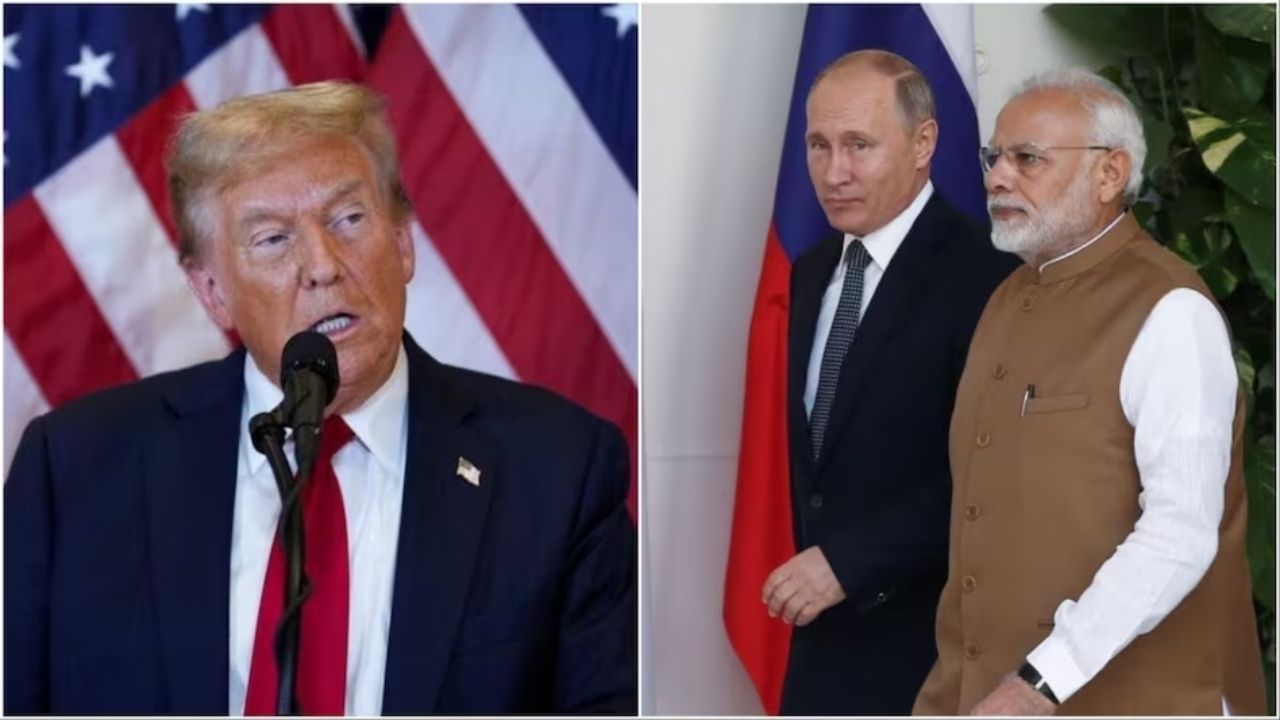
President Trump is using tariffs aggressively, levying a 50% charge on goods from India. This escalation includes a new 25% tariff set to take effect on August 27th, adding to the existing 25% tariff implemented on August 6th. The combined effect is a substantial 50% tariff on Indian products entering the United States.
Trump’s second term is characterized by a re-evaluation of global economic relationships, including a shakeup of established alliances. The 50% tariff on Indian imports is viewed by some advisors as a recalibration of the global economic system. However, questions arise about the justification for targeting India, particularly under the guise of the Russia-Ukraine conflict. The core question remains: is India ready to withstand Trump’s trade strategy?
India, once a key ally for the U.S. in Asia, has seen this relationship tested by Trump’s trade policies.
Driven by his campaign promises, Trump’s focus on ‘Making America Great Again’ has led to a trade policy that appears insensitive to diplomatic nuances. The initial 25% tariff on August 6th was followed by an executive order for an additional 25% tariff increase starting August 27th.
The executive order, ostensibly linked to the Russia-Ukraine conflict, references an earlier order (14329) implemented on August 6th. Trump’s hardline approach toward India is seen as a maneuver to pressure Russia, with the conflict providing the backdrop.
Despite attempts to mediate, including meetings with Putin and Zelensky, no breakthroughs have been achieved. Trump’s move to impose 50% tariffs on India seems to be a last resort to pressure Russia.
With the world’s largest market in India and the U.S. holding a powerful economy, India refuses to concede.
PM Modi’s statements show a commitment to resisting these tariffs. This resolve is further highlighted by reports in a German magazine, which indicate that a U.S. delegation’s attempt to negotiate the tariffs in New Delhi was met with rejection. Consequently, the U.S. has imposed a 50% tariff. India’s market is increasingly attractive to global trade interests.
The U.S. has perhaps damaged its own trading ties with India by increasing tariffs. In 2024-25, India was the U.S.’s largest trading partner. India’s exports to the U.S. comprise 2% of India’s GDP.