

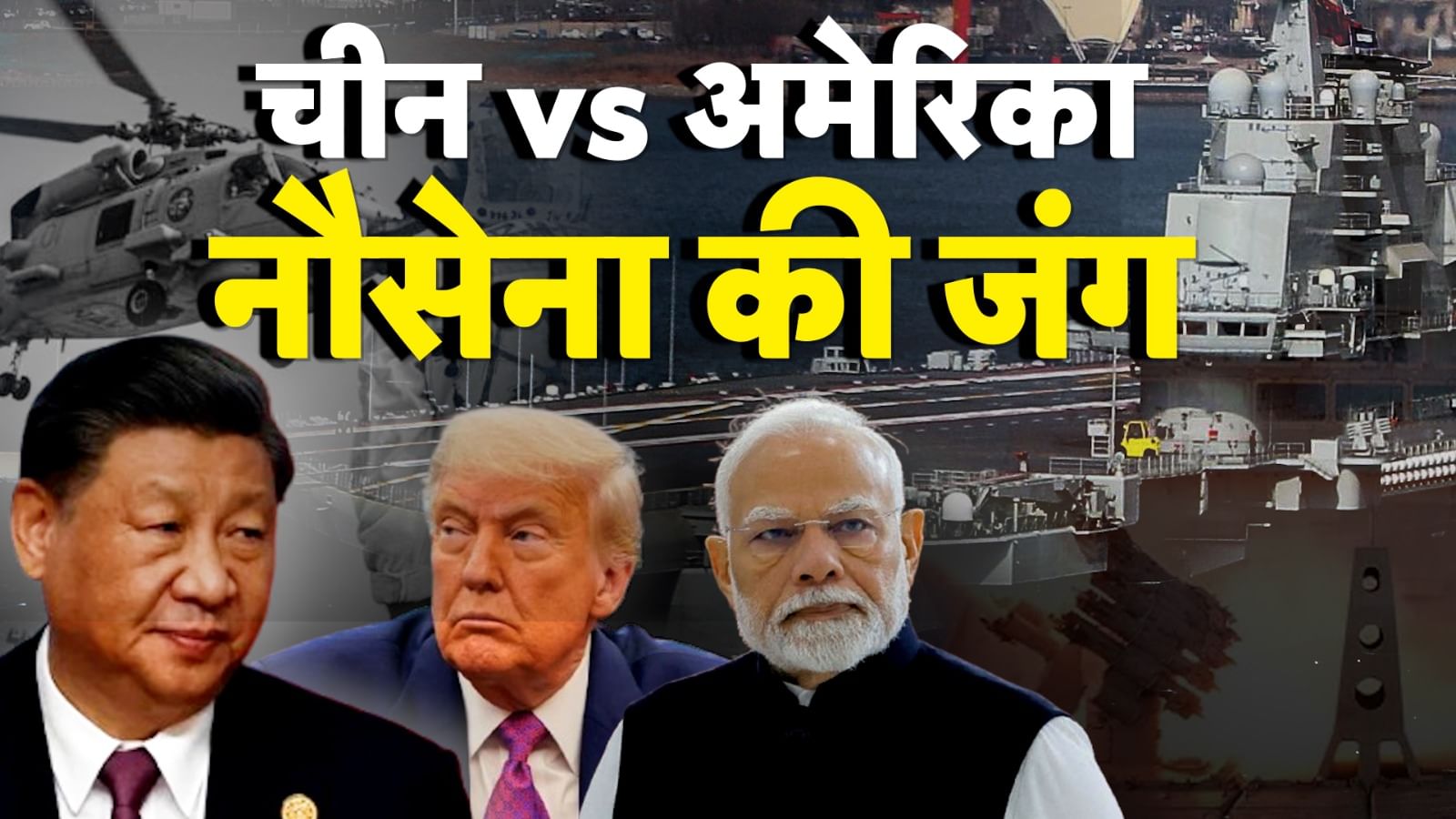
The article examines the rapid expansion of the Chinese Navy and its implications for the United States and the Indo-Pacific region. China’s growing naval power is viewed as a direct challenge to the US, which has historically held dominance in the maritime domain. The central question is whether this competition will remain on a naval level, or evolve into a larger confrontation with consequences for global politics.
Key areas of focus include China’s shipbuilding capabilities, particularly in Dalian, where shipyards are constructing warships at an unprecedented rate, dwarfing the production capacity of the United States. The control of major ports globally, which gives China economic and strategic advantages is also discussed. The article details the swift growth of the Chinese naval fleet under Xi Jinping’s leadership, with an impressive increase in the number of warships over the last decade. The expansion includes advanced weaponry and technology. In response, the United States maintains a significant edge in terms of technology and experience but is facing the challenge of China’s assertive actions.
The article further investigates the tensions in the South China Sea, including the recent confrontations between US and Chinese vessels, and the US’s ‘Freedom of Navigation Operations’. It provides a timeline of China’s naval growth since 2010, citing incidents such as the 2016 international court ruling and the ongoing disputes in the South China Sea with countries such as the Philippines, Vietnam, and Malaysia. The importance of the Indo-Pacific as a geopolitical hotspot and India’s perspective are highlighted. India’s naval modernization efforts, including the commissioning of INS Vikrant, and its role in alliances such as QUAD are examined as part of the strategic response.