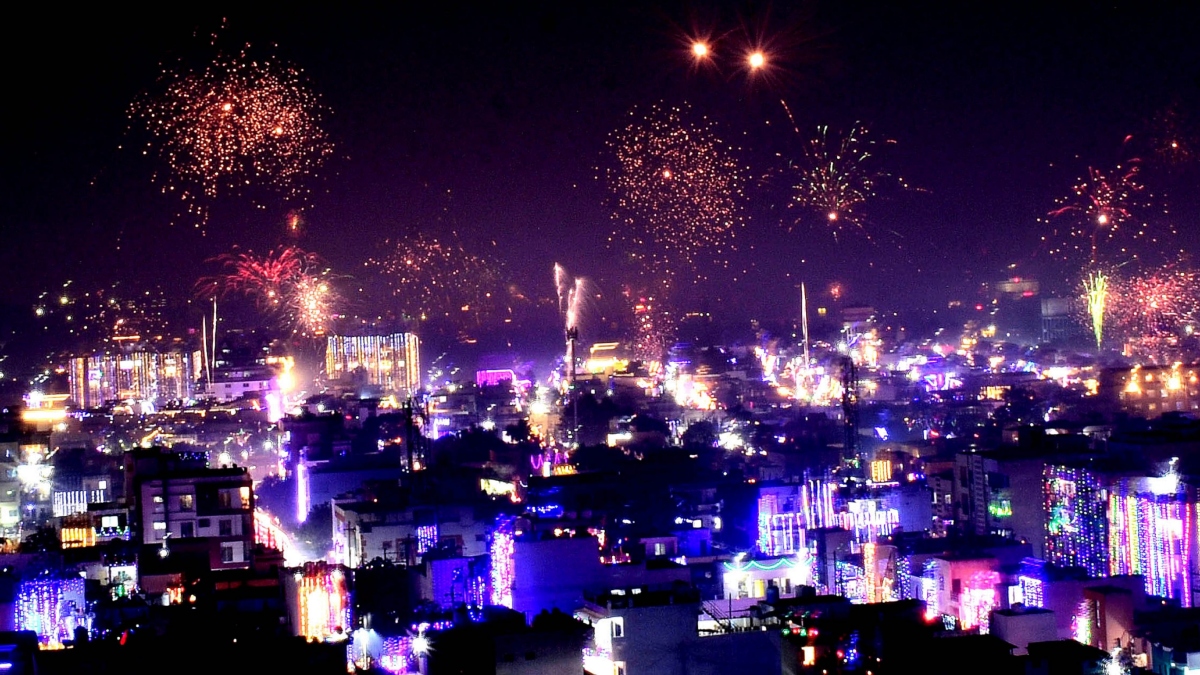
The Festival of Lights, Diwali, illuminated India this week, with a nationwide celebration marked by profound joy, strong community bonds, and a growing commitment to environmental responsibility. Beyond the traditional visual spectacle, the core of Diwali 2025 revolved around the warmth of family, the richness of culinary traditions, and the exchange of thoughtful gifts. Homes were meticulously prepared, cleaned, and decorated, and new clothes were worn as families gathered to partake in festive feasts. A significant aspect of this year’s celebration was the Supreme Court’s decision to allow ‘green crackers’ in Delhi, a move aimed at mitigating air pollution while still allowing for some traditional celebratory elements. This facilitated a more conscious and eco-friendly observance for many. The nation’s metropolises dazzled; Connaught Place in New Delhi became a vibrant tableau of diyas, fairy lights, and intricate rangoli designs, while Mumbai’s Shivaji Park hosted a spectacular display. Across Assam and other regions, decorative lights twinkled, reflecting the widespread festive spirit. Central to the celebrations were prayers to Goddess Lakshmi, seeking her blessings for wealth and good fortune. The spirit of Diwali extended to remote areas, with soldiers at the India-Bangladesh border celebrating together, sharing sweets and illuminating lamps in a testament to their service. Demonstrating its inclusive nature, Gurdwara Bangla Sahib in Delhi celebrated both Diwali and Bandi Chhor Divas, fostering interfaith harmony. The Prime Minister’s annual tradition of celebrating with the armed forces continued, this year aboard the INS Vikrant, highlighting national pride. This festive period also invigorated the Indian economy, with artisans and small businesses experiencing increased sales of traditional crafts and decor. Diwali 2025 truly lit up the nation, not just with lights, but with the enduring spirit of togetherness and shared joy.
India Embraces Eco-Friendly Diwali 2025: Lights, Family, and Unity Shine
 By The Chhattisgarh2 Mins Read