

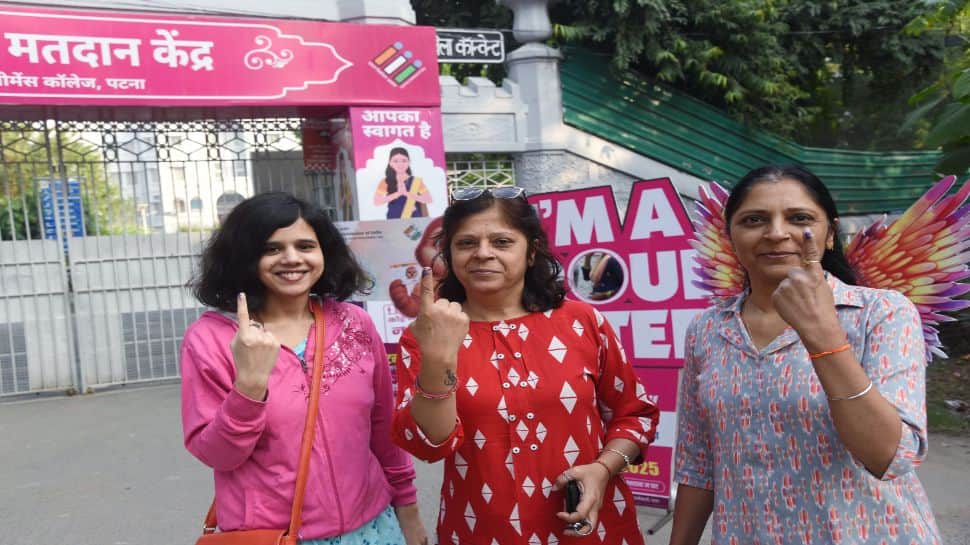
The initial phase of the Bihar Assembly elections has witnessed a historic voter turnout of 64.46%, spanning 121 constituencies. This figure significantly surpasses the 55.68% turnout for the first phase in 2020, sparking speculation about the stability of Nitish Kumar’s long-standing rule and the future of Bihar’s politics.
Analysis of Bihar’s electoral history, dating back to 1952, indicates that a voter turnout variance of over five percent often correlates with substantial political changes. The current surge suggests a potentially transformative election, impacting the state’s governance and power structures.
Key historical elections illustrate this trend. In 1967, a 7% increase in turnout led to the formation of a non-Congress government. The 1990 elections, with a 5.8% turnout jump, ended Congress’s dominance and marked the rise of Lalu Prasad Yadav. A dramatic 16.1% drop in turnout in 2005 paved the way for Nitish Kumar’s ascent, beginning his 20-year leadership.
Current predictions point to several possibilities. Nitish Kumar’s party could regain its past strength. Prashant Kishor’s newly formed Jan Suraj party might establish itself as a key player, influencing the state’s political map. Tejashwi Yadav could encounter internal challenges within his coalition if electoral success is elusive. Factors such as extensive campaign promises, particularly to women, enhanced mobilization of traditionally underrepresented voter segments, and favorable timing post-Chhath festival are credited with driving this high voter engagement. The upcoming phases will be critical in determining the final political alignment.