

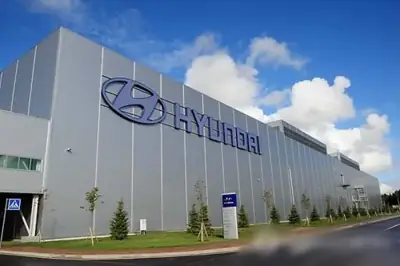
The robotics world just got a major upgrade: Hyundai Motor has fired up mass production of next-gen AI chips for self-operating robots. This strategic leap catapults the automaker into the league of AI innovators, promising to supercharge automation across industries.
Crafted with proprietary IP, these chips excel in handling massive datasets for robot perception and control. Imagine warehouse bots dodging obstacles in real-time or surgical robots with pinpoint accuracy—these chips make it possible through advanced neuromorphic computing.
Kicking off at Hyundai’s sprawling campus near Incheon, production lines are optimized for high-volume output, targeting 500,000 units in the first year. This internal capability shields Hyundai from market volatility, much like Tesla’s Dojo supercomputer strategy.
Market watchers are optimistic. McKinsey forecasts AI robotics to add $1.2 trillion to global GDP by 2030, and Hyundai is positioning itself at the epicenter. The chips integrate seamlessly with ROS2 frameworks, easing adoption for developers worldwide.
Hyundai’s vision extends to consumer robotics, with prototypes for home assistants already in testing. Collaborations with startups via its XCIENT accelerator program will spur innovation. Security features, including hardware-level encryption, address rising cyber threats in connected robots.
While rivals scramble, Hyundai’s end-to-end control—from design to deployment—offers a competitive edge. As the company unveils more details at CES 2025, expect ripples through supply chains. Hyundai isn’t just building cars anymore; it’s architecting intelligent futures.