

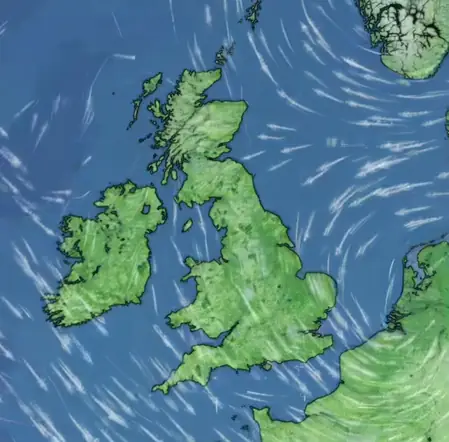
Western Europe confronts an unprecedented meteorological menace in Storm Gorenti, the ‘weather bomb’ exploding across the region January 8-9, 2026. From Atlantic origins, it hurls 100 mph winds at Britain’s Cornwall and Isles of Scilly – prompting a dire red alert from the Met Office – while blanketing inland areas with 30 cm snowfalls under amber advisories.
Yellow warnings extend the peril with downpours and gusts disrupting daily life continent-wide. France grapples with frozen transport in key zones, echoing Britain’s plight.
Airports like Heathrow reel from mass cancellations – British Airways alone grounding dozens – as runways ice over. Rail lines halt, ferries dock indefinitely, and motorists navigate treacherous, snow-swept roads at their peril.
As waves pound shores and blizzards blind vision, experts classify Gorenti as a hyper-intense system born of rapid pressure drops, fueling its rampage. Governments mobilize crisis centers, distributing aid and fortifying defenses. The storm’s broad impact tests emergency frameworks, revealing vulnerabilities in power, water, and communication. With clearing skies forecast soon, focus shifts to damage assessments and aid for the hardest-hit, highlighting the urgent call for adaptive strategies amid intensifying weather patterns.