

Political temperatures soared in West Bengal as BJP slapped a 72-hour deadline on Chief Minister Mamata Banerjee to furnish evidence backing her coal smuggling accusations—or confront defamation litigation head-on.
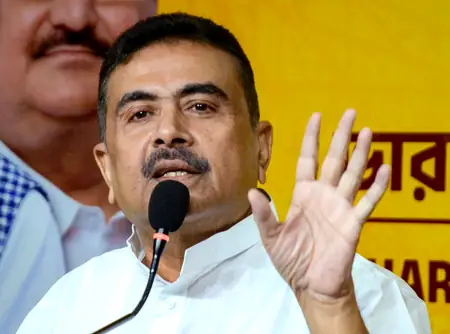
At the heart of the storm: BJP state president Sukanta Majumdar’s uncompromising stance. ‘No more empty rhetoric from the CM. Prove it in 72 hours, or courts will decide,’ he proclaimed to cheering crowds and flashing cameras in central Kolkata.
The dispute ignited when Banerjee pointed fingers at BJP for fueling illegal coal rackets plaguing districts like Birbhum. BJP flipped the script, citing probe agencies’ findings that pin culpability on TMC networks, complete with seized assets and arrest records.
Unpacking the mess, coal smuggling drains billions from public coffers annually. Syndicates exploit lax oversight, blending stolen coal with legal stock and exporting to neighboring states at premium rates. BJP demands accountability, vowing exhaustive documentation in any lawsuit.
With civic elections on the horizon, this gambit sharpens BJP’s anti-corruption edge. Grassroots mobilization intensifies, with door-to-door campaigns hammering the message. TMC remains defiant, accusing BJP of vendetta politics, but stays mum on proof.
From a judicial lens, defamation thresholds are stringent—truth is the ultimate defense. Yet BJP banks on Banerjee’s history of unsubstantiated barbs. Social media amplifies the countdown, turning it into a viral spectacle.
Ultimately, this saga exposes fault lines in Bengal’s governance. Coal isn’t mere fuel; it’s political dynamite. As the ultimatum nears expiration, Banerjee’s silence speaks volumes. Win or lose in court, the narrative shifts irreversibly, cementing divisions in India’s eastern bastion.