

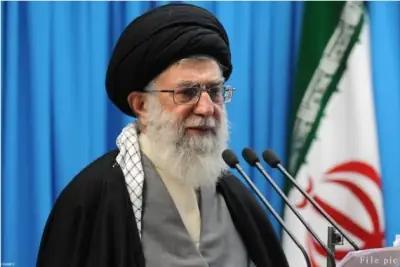
As fury over Iran’s economic collapse fuels protests in dozens of cities, Ayatollah Ali Khamenei has commanded the Islamic Revolutionary Guard Corps (IRGC) to extreme vigilance—higher than during recent hostilities with Israel. This move amid two weeks of turmoil reveals the regime’s precarious position.
Sparked December 28 by grievances over living expenses, the uprising defies a blanket internet blackout. Deadly confrontations proliferate, claiming 50-60 lives including children, according to human rights tallies.
The IRGC’s TV warning urged restraint from crowds, stressing defense of security and public assets as paramount duties. Committed to the 1979 Revolution’s legacy, they pledge harsh measures against disruptions.
IRGC intelligence brands the mayhem ‘terrorist riots’ from foreign instigators, vowing total neutralization. Insiders told The Telegraph of Khamenei’s supreme confidence in the IRGC over army or police: ‘Their fate rests with Sepah, prepped beyond the June war.’
Missile cities below ground are primed for defense. Khamenei scorned rioters as Trump-pleasing agitators, responding to the former US leader’s attack threats. Reza Pahlavi, from abroad, incites city seizures; Iran’s courts retort with execution threats under a zero-tolerance policy.
World bodies Amnesty and Human Rights Watch blast the lethal crackdowns. Persistent violence in Tehran and elsewhere tests the Islamic Republic’s resolve, with Khamenei staking all on his revolutionary vanguard to restore order.