

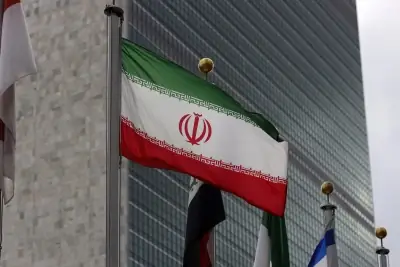
Explosive protests rocking Iran against Ayatollah Khamenei have thrust the Gulf Cooperation Council into crisis mode, as U.S. President Donald Trump’s menacing warnings reverberate through the region. Ordinary Iranians, crushed under inflation and unemployment, are defying security forces in unprecedented numbers, their revolt now a beacon for Gulf observers.
Trump’s direct address to Khamenei was unflinching: Any bloodshed against protesters will trigger American retaliation. Drawing parallels to Venezuela, analysts predict possible joint operations with Israel, sending GCC capitals into overdrive.
The response was immediate: Shadowy ministerial huddles across the GCC—encompassing Saudi Arabia, Kuwait, UAE, Qatar, Bahrain, and Oman. Coordinated declarations stressed de-escalation through talks, with no tolerance for belligerence. ‘Diplomacy is the path to peace,’ the bloc affirmed.
UAE and Saudi foreign offices launched outreach blitzes to global stakeholders, while Oman pushed inclusive mediation. Absent overt alignment with Trump, the underlying tension is clear—every GCC eye tracks U.S. intentions amid Iran’s volatility.
These developments expose fault lines in the Middle East. Protests erode Khamenei’s grip, yet a heavy-handed response might invite catastrophe. Gulf nations, oil-dependent and Iran-adjacent, dread spillover effects on security and trade. Their measured pleas for calm mask strategic calculations, as the specter of Trump-era intervention reshapes alliances and threats.