

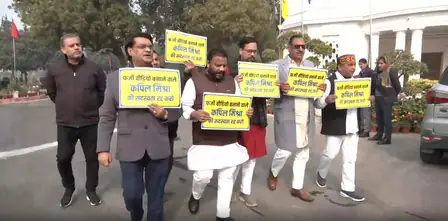
Tensions in Delhi’s political arena escalated dramatically when an AAP leader formally demanded the revocation of BJP MLA Kapil Mishra’s assembly seat. Labeling Mishra a ‘disruptive force,’ the demand cites repeated ethical lapses and anti-public conduct.
In a detailed memorandum submitted to the assembly secretariat, the AAP figure chronicled Mishra’s alleged infractions: from hate-mongering speeches to ignoring voter grievances in his Model Town bastion. ‘Time to clean house in the legislature,’ the leader asserted.
Mishra, known for his trenchant critiques of AAP governance—from air quality failures to law-order breakdowns—has become a thorn in Kejriwal’s side. His transition from AAP insider to BJP warrior adds personal edge to the feud.
BJP countered swiftly, branding the move as AAP’s panic button amid mounting public dissatisfaction. ‘Mishra speaks truth to power; that’s why they fear him,’ a party spokesperson remarked.
Procedurally, the Speaker holds discretion to refer the matter to ethics committees or courts. Historical precedents show such cases drag on, serving more as political theater than swift justice.
Strategically, AAP aims to discredit BJP’s Delhi face ahead of key battles. Mishra’s ouster, if successful, would dent opposition morale and bolster AAP’s ‘clean politics’ image.
Observers predict courtroom showdowns and street protests as fallout. This saga encapsulates Delhi’s polarized politics, where ideology battles amplify personal animosities, keeping voters hooked on the drama.