

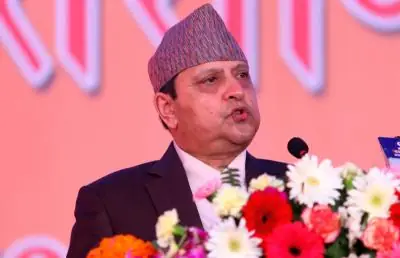
In a resonant call to action ahead of Nepal’s National Unity Day, ex-King Gyanendra Shah has spotlighted the political establishment’s mishandling of foreign affairs, deeming it perilously unbalanced. Delivered on the 304th jayanti of modern Nepal’s architect Prithvi Narayan Shah, the address exposes deepening rifts in national strategy.
Leaders, he charged, are woefully out of touch with evolving international landscapes, imperiling bonds with partner states. Gyanendra elevated his ancestor’s prescient counsel as essential amid these diplomatic drifts, yet offered no concrete examples of the alleged tilts.
He proposed a ‘peace shield’ as Nepal’s safeguard, diverging from nations chasing alliance-based protections—a concept left intriguingly vague. Domestic decay drew equal ire: youth despondency fueling emigration, compounded by fleeing investments and innovators.
This trajectory, if unchecked, spells national collapse, Gyanendra cautioned. His words subtly nodded to last year’s Gen-Z protests, which ousted K.P. Sharma Oli’s coalition amid 77 deaths and enormous property destruction, birthing Sushila Karki’s leadership.
‘Youth sentiments can’t be ignored without courting rebellion,’ he advised, linking exploitation to broader instability. Harking back to vacating Narayanhiti Palace nearly 20 years prior, he surrendered power trusting parties’ visions of harmony and growth.
Persistent crises have transformed optimism into dread for Nepal’s endurance, urging a profound leadership reset.