

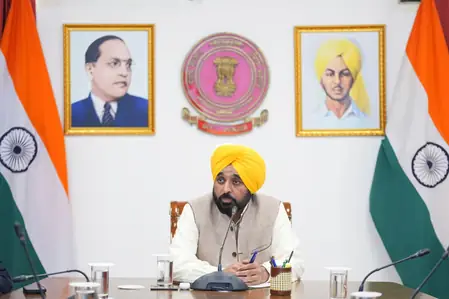
Chaos gripped political circles after a dubious video of Delhi’s Atishi went viral, with Punjab CM Bhagwant Mann squarely blaming the BJP for a calculated bid to spark riots and erode AAP’s credibility. The clip’s rapid dissemination on fringe channels and Telegram amplified its reach, fooling many into believing its authenticity.
Mann, in a no-holds-barred interview on a regional news channel, dissected the plot: ‘BJP’s troll army is at it again, using fake videos to incite communal tensions because real issues like unemployment scare them.’ He referenced past instances, including morphed clips of himself, as evidence of a systemic campaign.
Independent fact-checkers corroborated AAP’s stance, identifying the video as a sophisticated amalgamation of stock footage and AI overlays. Law enforcement has frozen suspicious accounts, with IP traces leading to BJP-affiliated handles.
Standing tall, Atishi addressed the media: ‘From student protests to ministerial duties, I’ve faced worse; this slime won’t stick.’ Her resilience drew applause, as AAP launched a #FakeVideoExposed hashtag trending nationwide.
Kejriwal convened party leaders, strategizing countermeasures including public awareness drives. BJP dismissed the ruckus as ‘manufactured outrage,’ challenging AAP to prove BJP’s involvement in court.
Amid the melee, cybersecurity firms warn of an impending deepfake epidemic, urging voter education. Regulators ponder AI disclosure norms, potentially reshaping content moderation.
Mann wrapped up by invoking Punjab’s resilient spirit: ‘We’ve battled worse conspiracies; this too shall pass.’ As alliances shift and accusations fly, this video imbroglio might just fortify AAP’s underdog narrative, setting the stage for a high-stakes electoral showdown where facts battle fiction.