

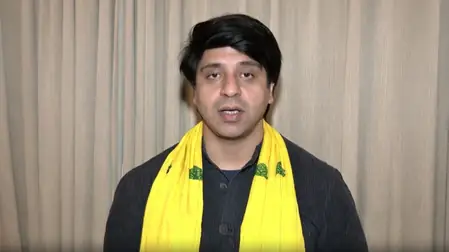
Fresh off Mani Shankar Aiyar’s controversial Pakistan reference, BJP’s Shehzad Poonawalla has delivered a masterstroke by dubbing Congress the ‘Islamabad National Congress’. The moniker perfectly encapsulates BJP’s long-standing charge against the opposition’s national security credentials.
Aiyar’s faux pas occurred during analysis of current political polarization. Equating BJP’s rhetoric with Pakistan’s, he handed rivals a golden opportunity. Poonawalla pounced immediately, launching a multi-platform offensive that connected Aiyar’s remark to Congress’s broader Pakistan policy.
‘This is not isolated – it’s Congress DNA,’ Poonawalla asserted, referencing the UPA era’s handling of 26/11, reluctance on surgical strikes, and post-Pulwama criticism of air strikes. He contrasted this with BJP’s zero-tolerance terrorism policy, positioning his party as India’s steadfast defender.
The attack gained traction because it taps into genuine voter concerns. Polls consistently show BJP leading on security issues, with Congress struggling to counter the perception of weakness. Aiyar’s timing – just before election season – compounds the damage.
Congress attempted damage control, with leaders clarifying Aiyar spoke metaphorically about political discourse, not endorsing Pakistan. But the explanation rang hollow against Poonawalla’s evidence-based takedown.
This episode reveals Congress’s communication challenges. While Aiyar represents the party’s liberal old guard, his approach clashes with modern political realities demanding muscular nationalism. Younger leaders recognize the problem but hesitate to publicly distance themselves from party elders.
Poonawalla’s genius lies in creating sticky messaging. ‘Islamabad National Congress’ is simple, memorable, and devastatingly effective. It reduces complex policy differences to an emotional appeal questioning Congress’s patriotic credentials.
As digital campaigns intensify, such branding wars will define election narratives. Congress must either rein in loose cannons or develop counter-messaging, while BJP will milk this controversy through election season. In India’s polarized politics, perception often trumps policy.