

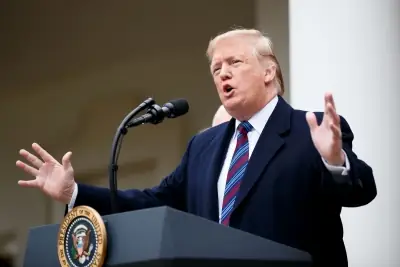
Iran’s spiraling crisis over inflation has collided with US strategic interests, as President Donald Trump ponders airstrikes following briefings on viable targets. Reports from US officials indicate no decision yet, but the menu of options—from Tehran non-military sites—signals escalating pressure.
Since December 28, outrage over joblessness and everyday costs has galvanized crowds against the regime. The currency crash amplified hardships, sparking riots quelled by security forces and a total communications shutdown exceeding 60 hours.
Trump, a vocal protest ally, posted on Truth Social: Iran’s pursuit of freedom merits American support. This aligns with prior ultimatums linking crackdowns to potential strikes.
Tehran points fingers at Washington and Tel Aviv for chaos. FM Abbas Araghchi decried US meddling online, while Parliament head Mohammad Bagher Ghalibaf warned of counterstrikes on American bases, vessels, and seized territories.
The backdrop: years of US-Iran friction, sanctions biting deep into Tehran’s economy. Protests expose regime frailties, tempting Trump to exploit them. Risks abound—proxy wars, energy shocks, alliances tested.
Experts dissect the briefings as posturing or prelude. Trump’s deal-maker instincts might seek negotiation, but hawks push confrontation. As blackouts persist and chants grow louder, the impasse teeters toward explosion or uneasy truce, with global stakes immense.