

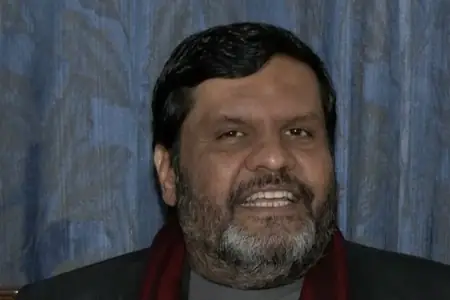
Sparks flew as Gaurav Bhatia, a prominent Congress voice, tore into Asaduddin Owaisi, branding him a Hindu-basher indifferent to Muslim progress. The blistering attack underscores simmering rivalries in the opposition camp.
In a no-holds-barred speech, Bhatia portrayed Owaisi as a communal merchant trading in Hindu animosity for relevance. ‘He rants against Hindus daily, but lifts not a finger for Muslim education or jobs,’ Bhatia lambasted.
Bhatia backed his claims with examples: Owaisi’s silence on minority-targeted schemes versus his loud protests on Hindu-centric events. He advocated a shift towards inclusive growth, urging Muslim leaders to embrace opportunities.
The backdrop is India’s vibrant yet volatile democracy, where vote-bank dynamics often eclipse development. Bhatia’s intervention aims to reclaim narrative space for Congress amid BJP dominance.
Public response was polarized—nationalists cheered, liberals cried foul. Owaisi’s camp hinted at legal recourse, calling remarks defamatory.
With elections on the horizon, this could realign strategies. Bhatia’s gambit tests Owaisi’s resilience and exposes fault lines in secular alliances.
As dust settles, the core message endures: Muslim empowerment requires pragmatic politics, not perpetual polarization. Bhatia’s challenge compels introspection across the spectrum.