

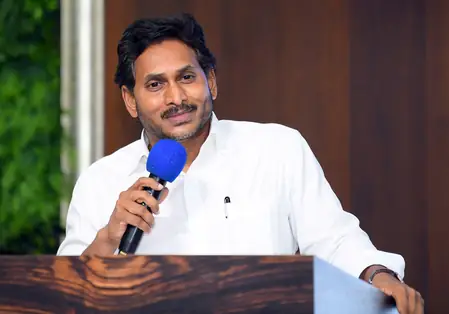
Echoes of alarm reverberate through Andhra Pradesh as Y.S. Jagan Mohan Reddy denounces the jailing of TV journalists as a perilous erosion of press liberties. In impassioned speeches across the state, the YSRCP leader framed the detentions as symptomatic of a broader assault on truth-tellers by the incumbent regime.
At the heart of the storm are reports that unraveled claims of kickbacks in multi-crore development projects, from coastal highways to rural electrification. Authorities countered with arrests under stringent IPC provisions, alleging the coverage was maliciously designed to foment unrest. Reddy, however, views it as retaliation against exposés that pierce the veil of official narratives.
‘Handcuffing journalists is akin to blindfolding justice itself,’ he declared to throngs of supporters, weaving in anecdotes of media resilience during turbulent political eras. His party has mobilized legal aid and grassroots campaigns, pressuring for swift judicial redress.
Nationwide, the story has fueled editorials questioning the balance between law enforcement and expressive freedoms. Bar associations have voiced support, while digital platforms buzz with citizen journalism filling the void left by silenced voices. TDP spokespersons rebutted, insisting on rule of law, but the optics remain damaging.
As this saga unfolds, Reddy’s intervention spotlights the media’s role in accountability, especially in polarized electorates. With potential appeals to the Supreme Court looming, the resolution could redefine contours of press-government relations in Andhra and beyond, reinforcing that in democracy, no voice should be arbitrarily silenced.