

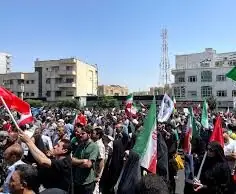
The G7’s top diplomats, convening in Ottawa with EU counterparts, have sounded the alarm on Iran’s deepening turmoil. Their unified voice condemns the death toll from anti-regime protests and threatens repercussions for ongoing atrocities.
Since late December, fury over economic meltdown and rial freefall has propelled masses into the streets. Iran’s response—ruthless crackdowns—has reportedly claimed thousands of lives, alongside mass detentions and terror tactics.
‘Deeply troubled by the anti-government protests and the authorities’ savage repression,’ the joint statement asserted. It decried violence against protesters, arbitrary grabs, and intimidation ploys by security outfits.
An urgent plea went out for de-escalation, non-violence, and adherence to human rights pillars: free speech, info access, assembly, and association.
Statements from Canadian and Japanese ministries affirm the group’s preparedness for escalated sanctions if Tehran persists in breaching global duties on dissent.
These developments mark a critical juncture, where domestic grievances collide with international norms. The G7’s firm posture could catalyze change or entrench conflict, with profound implications for regional stability.