

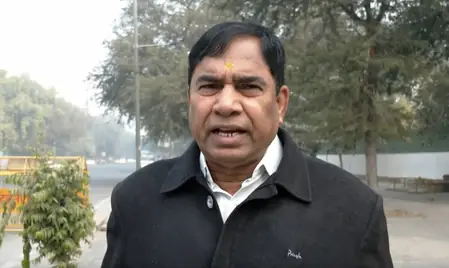
BJP parliamentarian Yogendra Chandoliya has ignited a fresh controversy by attributing India’s developmental shortfall vis-à-vis China to the tenures of Nehru and Indira Gandhi. The salvo was aimed at Rahul Gandhi’s recent observations on bilateral asymmetries.
Addressing gatherings in Haryana, Chandoliya argued that Nehru’s naive diplomacy and Indira’s socialist experiments derailed India’s ascent. He cited the 1962 war debacle and pre-1991 economic isolation as damning evidence.
China’s pivot to capitalism in 1978 created unstoppable momentum, while India grappled with poverty and inefficiency, he noted. Rahul’s call for introspection met with this historical indictment.
Under Modi, Chandoliya boasted, India is scripting a comeback: G20 leadership, Chandrayaan successes, and aggressive border infrastructure like the Atal Tunnel.
Observers point to multifaceted reasons—demographics, geopolitics, pandemics—but acknowledge policy pivots’ impact. BJP’s narrative frames Congress as the villain, Modi as the redeemer.
The MP’s words have resonated in heartland politics, prompting Congress rebuttals on BJP’s China trade dependencies. Ultimately, this discourse spotlights India’s resolve to emerge as a visvar guru, learning from past while charging forward.