

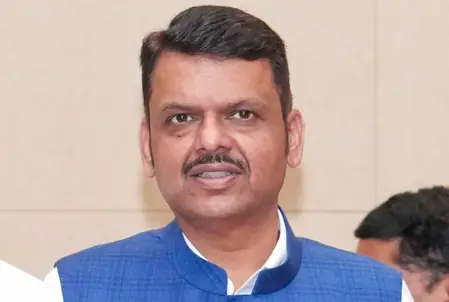
Mumbai’s BMC elections opened to a yawn, with voting trickling in slowly and prompting swift intervention from the top. Chief Minister Devendra Fadnavis issued a clarion call, urging residents to overcome inertia and head to the booths.
Initial reports from the Election Commission reveal patchy participation: 8-14% in central suburbs, even lower downtown. Morning drizzle and daily commutes are blamed, but deeper malaise—’what’s the point?’ sentiment—looms large.
‘Your one vote transforms Mumbai. BMC isn’t just administration; it’s our shared dream,’ Fadnavis urged in a press briefing. Timing his message amid live telecasts, he invoked the city’s resilience post-monsoon woes and pandemic.
At stake: Control over a behemoth managing 1,400 kms of roads, 26,000 streetlights, and daily waste from 20,000 tonnes. Candidates from BJP, Shiv Sena (both factions), Congress, and independents promise targeted reforms.
Suburban contrasts emerge—higher enthusiasm in Thane creek areas over local body mergers. Women voters, nudged by pink booths and creches, show steadier streams.
This election’s uniqueness: First post-2022 splits, testing Shinde-Fadnavis vs Thackeray dynamics. Counting on December 7, results could herald alliances or rivalries.
With extended hours in low-turnout spots possible, Fadnavis’s appeal resonates. Civic pride meets political theater—Mumbai’s electorate now decides if they’ll play their part.