

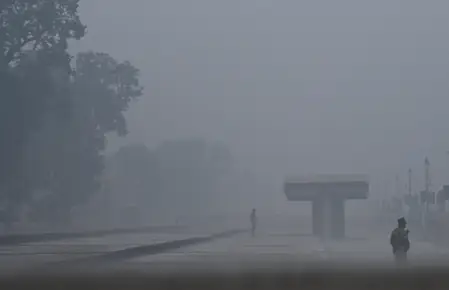
Delhiites wake to another toxic morning, as plummeting air quality forces CAQM to enforce GRAP Stage 3—the most stringent curbs yet this season. AQI readings screaming ‘severe’ across 30+ stations demand urgent intervention.
The numbers are chilling: City average AQI at 418, with Mundka hitting 465, the highest recorded. PM2.5 levels 25 times above WHO guidelines suffocate the metropolis, infiltrating every breath taken.
GRAP-3 clamps down hard. Construction moratorium covers 80% of sites; only life-sustaining projects proceed under strict oversight. Thermal plants switch to cleaner fuels or face penalties. Medium and heavy vehicles from outside Delhi require GPS tracking and pollution certificates.
Relief measures boost green transport: Electric buses surge by 30%, bike-sharing stations expand, and carpooling apps receive subsidies. Traffic police enforce no-parking zones aggressively to fluidize movement and cut idling emissions.
Root causes trace to Punjab-Haryana farmlands ablaze with paddy residue, vehicular boom (1.5 crore cars in NCR), and unchecked industrial effluents. Cold weather inversions act as a lid, concentrating pollutants at ground level. NASA’s fire maps corroborate the agricultural arson’s role.
Healthcare systems strain under respiratory deluge—COPD cases up 40%, per AIIMS data. Authorities recommend HEPA filters, indoor plants, and vaporizers. Online classes resume for primary schools in high-pollution zones.
Beyond GRAP, transformative steps beckon: Nationwide EV mandates, bio-enzyme stubble decomposers, and AI-driven emission monitoring. Delhi’s pollution odyssey tests policy resolve, demanding collective action for sustainable skies.