

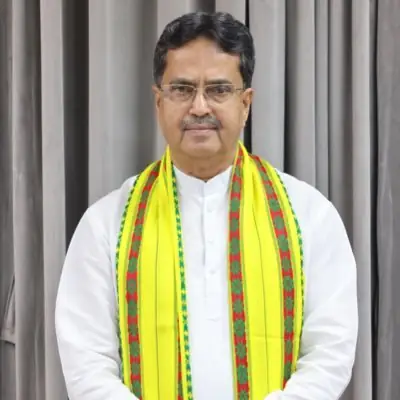
Tripura’s educational future took ethical turn as Chief Minister Manik Saha positioned moral values development as primary mission of reforms. In comprehensive policy address, he systematically dismantled conventional education priorities favoring character above credentials.
Analyzing root causes of societal issues, Saha connected declining values with educational gaps. His data-backed presentation revealed correlations between weak moral curricula and rising incidents of corruption, substance abuse among youth. Solution: comprehensive value integration across learning spectrum.
Strategic pillars emerged clearly: mandatory ethics hours in school timetables, continuous professional development for educators in moral sciences, community service credits for students, and parental value education modules. Saha highlighted public-private partnerships funding innovative programs.
Government’s 5-year roadmap includes establishing State Institute of Ethical Studies, launching mobile ethics labs for remote areas, and AI-driven personalized moral development tracking. Budgetary provisions demonstrate seriousness, with allocations doubling previous years’ value education spending.
Saha masterfully wove national narrative with local imperatives, showcasing Tripura’s potential as ethical education vanguard. Addressing skepticism about measurability, he introduced novel assessment frameworks evaluating empathy, integrity alongside academics.
Resounding applause followed Saha’s appeal for cross-society collaboration. With implementation committees forming immediately, Tripura positions itself at forefront of value-based learning revolution. This strategic pivot promises measurable societal returns through ethically grounded generations.