

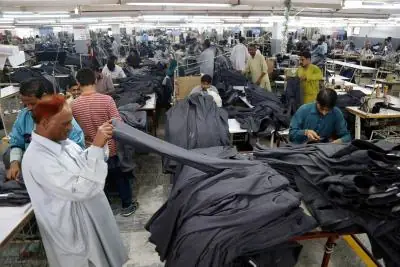
The hammer of US tariffs has come down hard on India’s knitwear capital—Coimbatore and Tirupur—sparking widespread factory shutdowns, job carnage, and export freefall. What was once a story of export glory has turned into a saga of survival.
Official stats confirm the damage: US market share eroded by 32 percent, with order books emptier than ever. ‘Competitive edges in quality and price are nullified by these duties,’ explained exporter Priya Sharma. Upstream suppliers in spinning and weaving are idling machines, amplifying the downturn.
On the ground, the fallout is heartbreaking. Over 40,000 workers, many young women supporting families, have been pink-slipped. Migration patterns are reversing as laborers head back to villages, depressing local consumption and related services like eateries and tailoring.
Adaptation is underway: digital marketplaces for B2B sales, R&D in performance wear, and trade fairs targeting new horizons. State relief packages include wage subsidies and market access loans, but critics argue for tariff countermeasures and WTO challenges.
The road to rebound demands agility and policy support. As world trade frictions intensify, this crisis underscores the vulnerability of export-led growth models, pushing the sector toward self-reliance and innovation.