

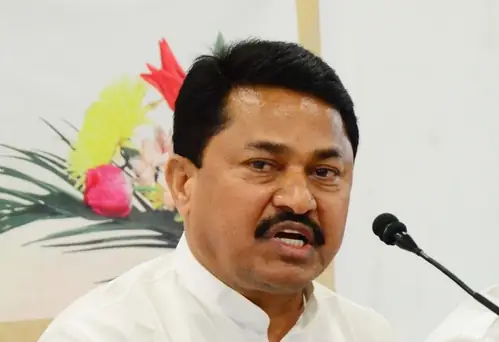
Echoes of electoral distrust reverberate through Maharashtra as Congress president Nana Patole targets EVMs in the wake of crushing civic poll defeats. His clarion call for ballot papers has ignited a firestorm, questioning the very foundation of electronic voting.
The verdict was unambiguous: Mahayuti’s juggernaut steamrolled opponents in 28 municipal councils, securing supermajorities. Congress drew a blank in several bastions, triggering introspection and finger-pointing within MVA.
Patole minced no words at a workers’ rally. ‘EVMs don’t lie? Tell that to the millions who voted for us but saw our tally plummet. Ballot papers are the only honest way forward,’ he thundered, vowing legal recourse and public mobilization.
Historical context amplifies the row. Since 2017, EVM-VVPAT debates have dominated post-poll discourse, with commissions conducting awareness drives. Technical safeguards like encryption and randomization are touted, yet doubts linger among losers.
Maharashtra ministers parried swiftly. BJP’s Ashish Shelar attributed losses to MVA’s ‘negative politics,’ praising EVM transparency via seals and randomization. ‘Challenge us in court if you have proof,’ he challenged.
Deeper analysis reveals voter priorities: Pothole-free roads, reliable power, and sanitation trumped rhetoric. Mahayuti’s booth-level management outshone rivals, converting 20% swing votes.
Patole eyes escalation, coordinating with national leadership for parliamentary debates. ‘This fight is for every Indian’s vote,’ he affirmed. As civic bodies gear up under new councils, the EVM imbroglio risks overshadowing governance, setting the stage for fiercer 2024 battles.