

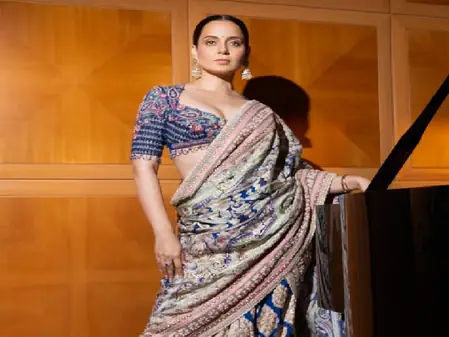
Tensions are high in tinsel town as Kangana Ranaut publicly eviscerates AR Rahman, dubbing him an unprecedentedly ‘ghastly’ figure for his communal remarks. The National Award winner didn’t hold back in her social media salvo.
Rahman’s statement, made amid discussions on social cohesion, struck a nerve with Kangana. ‘You’re the vilest person I’ve witnessed,’ she asserted, sparking widespread debate on artist accountability.
Known for hits like ‘Kun Faya Kun,’ Rahman’s career is a testament to cross-cultural brilliance. Yet Kangana contends that personal biases undermine such artistry. Her critique resonates with those wary of perceived double standards in liberal circles.
The backlash has polarized fans. Pro-Kangana voices hail her courage; Rahman loyalists call for nuance over outrage. This mirrors broader societal debates on free expression versus hate speech.
Kangana’s track record—from battling Shiv Sena to endorsing government policies—positions her as a lightning rod. Rahman, more reserved, might prefer music over mudslinging.
Trending across platforms, the controversy has amplified voices on both sides. It begs the question: Should entertainers stay neutral, or embrace activism? As reactions pour in, the duo’s silence (post-Kangana’s outburst) suggests more to come.
In conclusion, this flare-up reveals entertainment’s intersection with politics, where words wield power equal to melodies. India’s showbiz remains a riveting arena of clashing worldviews.