

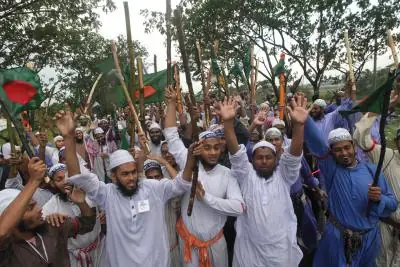
A shadowy yet pervasive Islamic resurgence dubbed Tawhidi Janata is captivating Bangladesh’s streets, prompting urgent warnings about a novel brand of coercive populism. As detailed in The Interpreter magazine out of Australia, this movement capitalizes on post-Sheikh Hasina turmoil, where shaky institutions and legitimacy crises provide fertile ground.
For over 15 years, Hasina’s Awami League wielded elections, security might, and state-sponsored secularism to dominate. Islamist networks faced relentless pressure: crushed, courted, or carved up. Faith expressions were allowed in public view, but any political edge was swiftly curtailed, driving it underground into everyday life and private circles.
August 2024’s upheaval toppled this order, birthing powerlessness and a moral vacuum. Tawhidi Janata surged forward, summoning religious imperatives to audit public morality. Far from a structured entity, it’s a rallying cry for varied actors who stake claims on commons—surveilling actions, quashing festivities, meddling in women’s spaces.
Ambiguity fuels its reach: leaderless and unstructured, it thrives on mob dynamics, emblems, and societal guilt, not bureaucracies. Violence incidents tied to its proponents—from scuffles to strikes—signal deepening threats.
By framing interventions as divine duties against ‘non-Islamic’ ways, it dodges crackdowns while sculpting a conservative ethos. Bangladesh’s fragile transition demands proactive steps: fortify laws, legitimize politics, and mend societal rifts. Ignoring this populist tide could entrench it, challenging the nation’s progressive heritage and inviting broader South Asian tensions.