

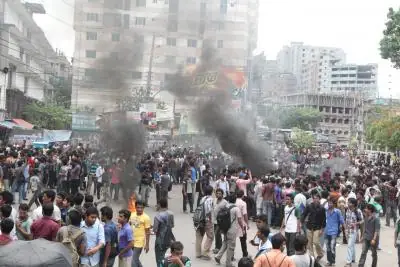
Tensions mount in Bangladesh ahead of next month’s general elections, fueled by rampant gender violence and mob attacks on Hindus that indict the Yunus-led interim government’s human rights credentials. The February 12 ballot, first since Sheikh Hasina’s 2024 downfall, arrives amid chaos.
New York-based HRW, drawing from police data, notes heightened gender assaults in 2025’s opening months. Shubhajeet Saha blames reactionary religious rhetoric curbing female agency. After clashing with reforms in May, extremists unleashed multi-front harassment on women and girls.
Hindus face existential threats too: 51 incidents, including 10 killings, topped by Dipuchandra Das’s December mob murder on blasphemy pretense. Ethnic minorities in Chittagong suffer security crackdowns post-revolt.
Women’s political sidelining persists despite history. Beyond two ex-PMs and 2024 activism, parties lag: 30 of 51 nominate no women; Islamist Jamaat skips them entirely among 276. Pundits call it a nadir for representation.
This week’s Dhaka symposium, packed with advocates from Feminist Alliance to Nari Sanghati, tore into the Election Commission’s lip service on inclusion. Leaders spurned quotas, advocating battle-tested electoral wins.
As voting day nears, the stakes couldn’t be higher. Curbing violence and boosting women in politics isn’t optional—it’s the litmus test for Bangladesh’s democratic rebirth.