

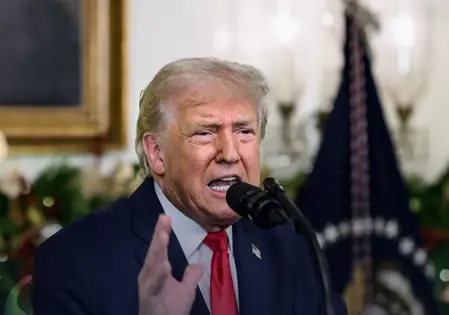
U.S. President Donald Trump turned up the heat on Iran, demanding Supreme Leader Ayatollah Ali Khamenei’s removal as protests convulse the nation. ‘It’s time to search for new leadership in Iran,’ he said, framing the call against a backdrop of public fury and systemic failures.
Sustained unrest stems from grinding poverty, suppressed dissent, and state-sponsored atrocities. Trump derided the leadership’s reliance on terror, citing their avoidance of hanging hundreds as a fluke of judgment. He accused Khamenei of single-handedly wrecking Iran, making it unlivable under his ‘sick’ stewardship.
Drawing parallels to his presidency, Trump stressed that real power flows from public trust, not body counts. ‘Fix the country, don’t murder to rule,’ he urged, positioning himself as a model of respected authority.
Khamenei countered fiercely, declaring Iran triumphant over American-Israeli machinations. He pinned the riots’ toll on Trump’s personal meddling—statements, encouragements, and aid offers to rebels—deeming him culpable as a felon. Vowing accountability for saboteurs without seeking battle, Tehran digs in.
This verbal broadside from Trump spotlights Iran’s vulnerabilities, potentially tipping scales toward upheaval or clampdown. Economically strained and politically isolated, the regime faces its sternest test yet. Global observers ponder if Trump’s words herald regime change or merely rhetorical fireworks in enduring hostilities.