

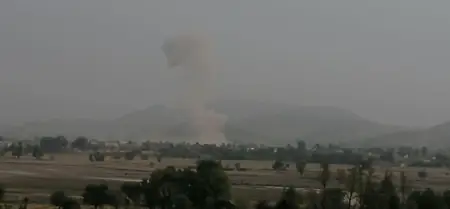
Unidentified militants struck fear in Pakistan’s tribal heartland by detonating explosives under a critical bridge in Mir Ali, North Waziristan, late night in Khushali village. The Khyber Pakhtunkhwa blast has snapped vital connections, leaving locals in limbo.
Forces mobilized instantly, barricading access and combing for clues. The thunderclap detonation vaporized the span, a linchpin for regional transit binding remote hamlets to urban hubs like Bannu.
Daily existence unravels: pupils forfeit education, ailing folks dodge care, elders isolate, matriarchs adapt to chaos. Merchants tally losses from stalled trades, farmers battle spoilage in transit limbo.
Fury swells as communities decry the barbarity, clamoring for arrests, rebuilds, and ironclad protection. Town halls buzz with resolve to resist such depredations.
Pattern emerges amid rising assaults—recall Shewa’s Kurram bridge implosion days prior, fragmenting access. These engineered disruptions test resolve, fueling narratives of governance frailty.
Bomb residue yields intel on perpetrators’ arsenal, as patrols intensify. Scenic detours, fraught with peril, strain under volume. Amidst this, calls grow for holistic counterinsurgency: fortify assets, empower locals, bridge divides—literally and figuratively—to stem the tide of sabotage.