

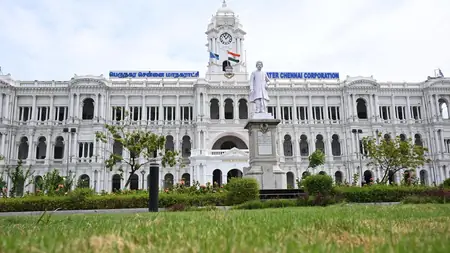
Revolutionizing urban air governance, Chennai plans to deploy 100 digital sensor boards for comprehensive air quality surveillance. This ambitious upgrade promises to transform sporadic checks into continuous, hyper-local monitoring across Tamil Nadu’s premier city.
Advanced features like wireless connectivity, GPS tagging, and machine learning for data validation set these apart. They’ll track an array of pollutants, offering benchmarks against WHO standards and facilitating cross-city comparisons.
Deployment strategy emphasizes equity: sensors in slums alongside elite neighborhoods, highways beside parks. Collaboration with meteorological departments will enrich datasets with weather correlations, improving prediction models.
The urgency stems from alarming trends. Chennai’s air quality index averaged ‘moderate’ last year, dipping to ‘unhealthy’ during festivals and monsoons. Contributing factors range from port activities to unregulated construction, straining public health infrastructure.
Financial and logistical blueprints are in place. Tenders awarded to tech firms specializing in environmental IoT, with training for local operators. A pilot in select wards will refine protocols before full-scale launch.
Voices from the field resonate support. ‘Finally, evidence-based policy-making,’ says TNPCB Chairman. Health ministry tie-ups will sync alerts with ambulance dispatches during red-flag events.
Long-term, the network fuels innovation. Startups can develop apps for personalized exposure tracking; researchers model future scenarios under climate change. Public dashboards will gamify participation, rewarding low-emission behaviors.
Chennai’s sensor saga signals a paradigm shift. From reactive clean-ups to predictive purity, this step cements the city’s green credentials, inspiring a nationwide ripple effect.