

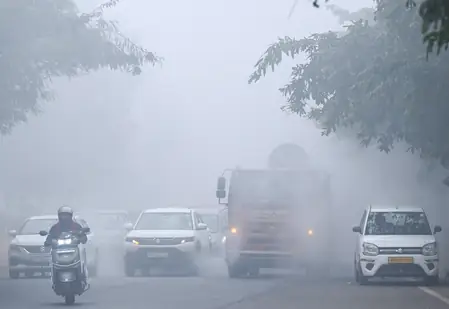
January 19 dawned under a pall of unprecedented smog in the NCR, where AQI readings have obliterated recent highs, approaching 500 and plunging millions into health risks. Delhi, Noida, and Ghaziabad are at the epicenter of this man-made disaster.
Critical readings from Delhi include Anand Vihar 461, Ashok Vihar 471, Bawana 442, Chandni Chowk 454, Jahangirpuri 468, Rohini 471, Vivek Vihar 472, Wazirpur 473, ITO 430, R.K. Puram 439, Sonia Vihar 467, Mandir Marg 371, and IGI Airport T3 at 339.
Noida’s sectors reported 375 (62), 439 (1), 422 (116); Ghaziabad’s Indirapuram 433, Loni 476, Sanjay Nagar 389, Vasundhara 457. Meteorological factors—dense morning fog, ongoing moderate fog forecasts, high humidity, calm winds—have locked in the toxins.
Stage-4 GRAP is now operational: border vehicle scrutiny, polluting truck bans, construction prohibitions, and industrial curbs. ‘Relief hinges on wind shifts,’ experts say, warning of escalation otherwise.
Health alerts dominate: minimize outings, don masks, hydrate, monitor symptoms, prioritize vulnerable populations. As NCR gasps for clean air, this crisis amplifies calls for long-term solutions like greener transport and stubble-burning bans.