

America’s lawmakers laid bare a grim reality Thursday: the nation is mired in a shadowy cyber war, with adversaries hammering national infrastructure in real time. Detection and response grow ever tougher, per Senate Armed Services Committee testimonies.
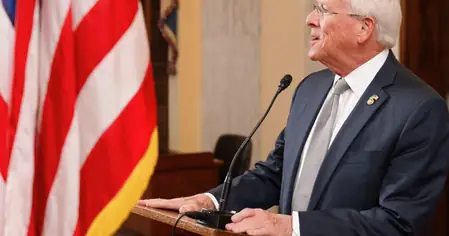
Chairman Roger Wicker minced no words. ‘This active combat isn’t abstract—it’s unfolding now,’ he said. Cyber Command stands as the ultimate guardian, silently thwarting high-tech foes bent on infiltration.
U.S. critical assets are perilously weak, Wicker observed, with worldwide echoes amid Indo-Pacific cyber buildups. Nominee Lt. Gen. Joshua Rudder for Cyber Command and NSA roles insisted cyber fuses with all security paradigms.
From years leading intelligence efforts, Rudder emphasized pace, resilience, and holistic integration. ‘In this strategic era, speed, agility, and capability synergy are imperatives,’ he noted. Cyber now drives military efficacy.
Ranking member Sen. Jack Reed flagged a danger window, as rivals merge cyber, AI, and info ops. He queried readiness sans confirmed chiefs and amid reforms. Protecting elections tops priorities, Rudder reaffirmed.
Offense debates flared. ‘Offense is optimal defense,’ Sen. Dan Sullivan urged, decrying hacker leniency. Rudder backed versatile forces, with civilian calls on strikes. Safeguards against U.S. targeting were vowed firm.
The exchange signals a clarion call: fortify cyber arsenals, deter impunity, and secure infrastructure against an omnipresent digital threat reshaping global power dynamics.