

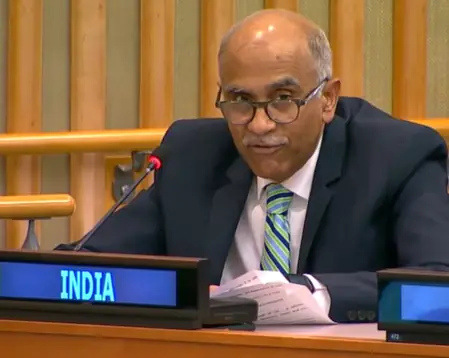
Global powers are sounding the alarm: Security Council reform can’t wait, or humanity’s toll in endless wars will skyrocket. The G4—India, Brazil, Germany, Japan—laid out a bold restructuring plan in UN IGN talks, led by India’s P. Harish, who stressed the daily human price of delay.
In an era of unrelenting strife, the Council’s outdated setup draws fire for inefficacy. Harish blamed veto-wielding stalwarts and UfC tactics for paralysis, with Italy’s Gianluca Greco pushing for total consensus before texts proceed.
The G4 counters with a member-driven consolidated model, complete with deadlines, expanding the body to 25-26 seats. Core: six new permanents regionally distributed—two Africa, two Asia-Pacific (India, Japan), one Latin America (Brazil), one Western Europe (Germany).
Further, new electives target Africa (1-2), Asia-Pacific, Latin America, Eastern Europe, and small islands for fair voice. Rejecting religion-linked seats, Harish deemed them antithetical to UN norms and obstructive.
He zeroed in on UfC’s African seat resistance, clashing with majority support for equity. Japan’s Yamazaki decried Asia-Pacific’s underrep: 54 states, billions of people, scant seats.
This proposal rectifies distortions, bolstering UN legitimacy. As crises proliferate, embracing the G4 vision could restore decisiveness—or condemn the body to irrelevance amid mounting global despair.