

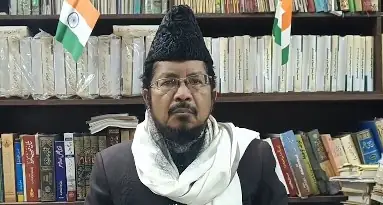
Could the Supreme Court’s innovative scheduling for prayers at Bhojshala ignite rather than douse communal fires? Maulana Shahabuddin Razvi of All India Muslim Jamat thinks so, issuing a fervent alert from Bareilly.
The apex court’s order—puja pre-sunrise, namaz post on Basant Panchami—addresses immediate friction at the Dhar hotspot but leaves ownership hanging. Razvi fears this half-measure sows seeds of discord.
“Picture two crowds, fervent in faith, squeezing into the same space sequentially—sparks will fly,” he warned in an IANS interaction. The site’s layered history—Bhoj-era shala for Hindus, Kamal Maula for Muslims—amplifies stakes.
Thursday’s ruling quashed lower court bans, imposing discipline to sidestep brawls. Yet, with trials dragging, Razvi sees escalation ahead and beseeches Allah for peace.
He also tackled the Prayagraj Kumbh row shadowing Shankaracharya Avimukteshwaranand. Mela notices impugning his bath rights stung, Razvi acknowledged, saluting the seer’s riposte.
Still, closure beckons: “Drop the stir, honor the CM’s word, return to sadhana.” Uttar Pradesh’s top leader’s outreach demands resolution.
Razvi’s commentary spotlights India’s tightrope walk on religious sites, where apex interventions must sync with street realities. As festivals unfold, his plea for restraint echoes urgently.