

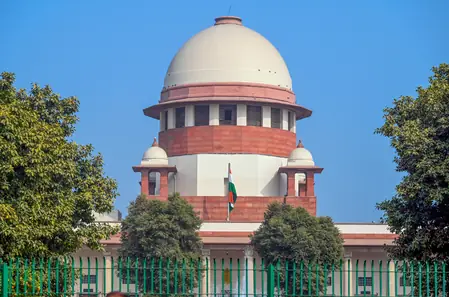
Tensions escalate in India’s education sector as a PIL storms the Supreme Court, contesting Rule 3(C) in the UGC’s Promotion of Equity in Higher Education Regulations, 2026. Notified January 13, the provision faces charges of arbitrariness, prejudice, and unconstitutionality.
At stake: Alleged discrimination against general category aspirants and educators, masked as equity promotion, which could bar them from higher studies. The petition invokes breaches of Articles 14, 19, and 21, alongside UGC Act inconsistencies that erode equal opportunity ethos.
The overarching regulations seek total elimination of biases by caste, faith, gender, birthplace, disability, etc., via mandatory Equity Committees. These panels probe issues and wield powers like degree blocks or accreditation withdrawals.
Fueled by UGC stats showing 118% growth in caste complaints over five years, the measures respond to prior Supreme Court prodding for robust anti-discrimination architecture. Institutions are now racing to form committees and enact policies.
The flashpoint, Rule 3(C), is slammed for its caste-bias provisions that may unfairly target non-reserved groups, with zero safeguards against false filings inviting abuse. Justices are asked to vet its validity and shield basic rights.
Poised to stoke national discourse, this case pits equity enforcement against merit preservation, with far-reaching ripples for academia.