

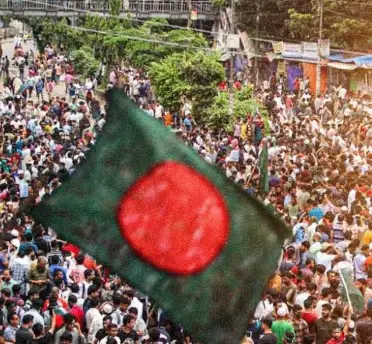
Concerns mount in Bangladesh over religion’s outsized role in politics, manifesting starkly in electoral theatrics. A revealing report dissects how parties from all sides manipulate faith—offering paradise, donning pious garb, and pushing Sharia—to clinch power, challenging the nation’s secular identity.
Backed by TIB analysis, the exposé links this to democratic erosion, radicalization domestically and globally, and weakened institutions. Rallies resemble religious congregations, with leaders in taqiyah caps and hijabs invoking divine mandates for votes.
Jamaat-e-Islami’s notorious ‘jannat guarantees’ via symbols provoke BNP backlash as archaic ploys, but the playbook is shared. Recalling 1991, BNP stoked fears of Awami League ending prayers and Islamizing mosques with Hindu practices. Hasina’s riposte? Shrine inaugurations in veiled, conservative dress across campaigns.
Coalition cracks, like Islamic Movement Bangladesh’s Sharia-driven split from Jamaat allies, expose tensions, but unity in exploitation endures. February elections amplify the issue: 36% of 1,981 candidates hail from Islamist parties— a peak versus 2024’s 9.5% and 2018’s nearly 30%, with 51 parties and 13% independents in the fray.
This escalation reflects deeper Islamist inroads into politics and bureaucracy. For a modernizing Bangladesh, the implications are profound: without safeguarding secularism, electoral integrity falters, pluralism wanes, and progress stalls. Urgent calls echo for faith-free politics to preserve democratic health.