

Waves of discontent are sweeping Balochistan as government employees unite under the Balochistan Employees Grand Alliance (BEGA) to demand the Disparity Reduction Allowance (DRA) and overdue reforms. Rallies in Quetta and Khuzdar have evolved into powerful statements of resolve, disrupting the status quo.
The Quetta rally snaked from Bacha Khan Chowk to the City Police Station, where protesters dug in for a sit-in amid resounding anti-establishment cries. Escalation peaked with 11 self-surrenders to police, highlighting desperation for action.
In Khuzdar, leaders Aslam Notani, Manzoor Naushad, Aslam Zahri, Rashid Ahmad Gulamani, and Rashid Zahri mobilized throngs from government ranks. Their unified outrage over procrastination signals a tipping point for workforce morale.
Related strife brewed on January 22 with Unemployed Pharmacists Action Committee (UPAC) denouncing meager job slots for thousands, a gesture mocked as woefully insufficient. UPAC’s Qasim Aziz Mengal used the Quetta Press Club platform to advocate for abundant openings, transparent merit recruitment, and an overhaul of biased BPS-17 processes.
Pointing to health ministry shortcomings – no merit adherence, shadowy interviews, absent private-sector pharmacies, and dubious contract bids – Mengal rallied for accountability.
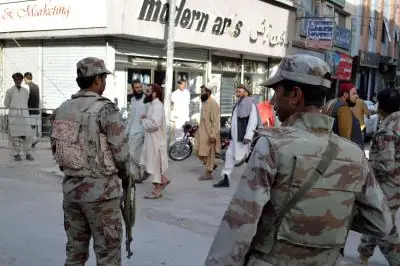
The timeline recalls January 20’s Quetta Red Zone drama: DRA advocates clashed with security, yielding arrests and internet curbs. Roadblocks of containers failed to deter gatherings at the Press Club, where forces scattered crowds and jailed activists, stalling administrative functions province-wide.
Balochistan’s protests illuminate chronic inequities plaguing public servants in Pakistan’s poorest region. With influxes from far-flung areas crippling offices, urgency looms for concessions. Failure risks enflaming tensions, potentially destabilizing governance in this strategically vital area.