

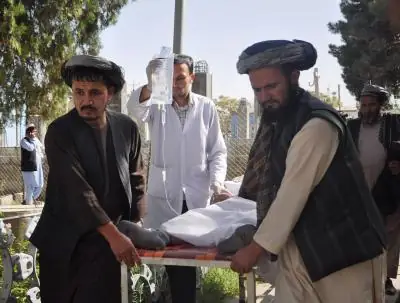
Afghanistan’s humanitarian quagmire deepens, as UN projections reveal 14.4 million people will require health interventions by 2026. OCHA’s Thursday statement, cited in local outlets, notes current programs reach just 7.2 million, leaving millions exposed.
Vulnerable groups dominate: children at 54 percent, women 24 percent, disabled 10 percent. The funding ask exceeds $190 million, a lifeline amid strained resources.
The country is set to endure as the paramount aid crisis globally, with 22 million in perpetual need. NGOs and international entities push forward with vaccines, birthing care, and crisis medicine.
UNICEF’s Tuesday alert on malnutrition—3.7 million child victims annually—adds urgency. Since 2021, fiscal ruin, parched lands, and aid gaps have amplified suffering. Over 90 percent of families, per WFP, can’t secure meals, etching permanent scars on offspring.
Tajuddin Oyewale introduced revamped strategies targeting dire malnutrition and tiny infants, poised to refine treatments and preserve lives.
Interwoven woes like indigence, food scarcity, medical inaccessibility, mom malnourishment, village woes, and gender curbs on healers perpetuate the emergency. A robust aid surge is non-negotiable to shield Afghanistan’s innocents from escalating perils.