

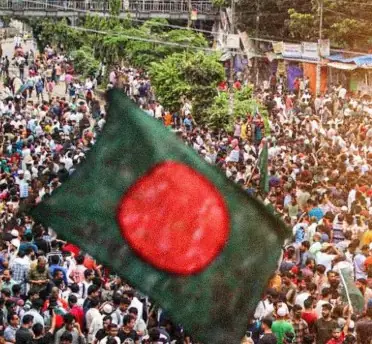
A torrent of sectarian strife engulfed Bangladesh in 2025, with the Hindu Buddhist Christian Unity Council documenting 522 violent episodes—a figure that shatters the Muhammad Yunus-led interim cabinet’s report of only 71. This rift exposes deep fissures in minority protection narratives.
Monindra Kumar Nath, the council’s acting secretary-general, detailed the annual findings at a tense Dhaka presser, aggregating data from dailies and media from year’s start to end. The toll: 66 slain, 28 women victimized by rapes and worse, 95 faith centers battered, 102 dwellings and firms ransacked.
Beyond that, 38 snatchings with ransoms and abuse; 47 kill warnings and bashings; 36 blasphemy snares with cruelties; 66 property heists. As noted by Dhaka Tribune, the scope signals institutional neglect.
Election shadows lengthen toward February 12, yet violence persists: January’s first 27 days saw 42 outbursts—11 dead, one rape, nine temple/church assaults, 21 plunders, torches, seizures.
Minorities, Nath said, crave democratic participation but cower under existential threats to survival, income, holdings, esteem. Voter intimidation? ‘Government, bureaucracy, commission, parties own it,’ he charged.
Outrage targeted Yunus’s social post admitting 645 cases, deeming 71 communal, 574 benign. Nath eviscerated the rubric: off-temple slayings, assaults, fires, takes don’t qualify as sectarian—’nonsensical deceit.’
Leaders face smears: Hindu stalwart Chinmoy Krishna Das incarcerated, council elders pursued legally, many fled. Interim rule under Yunus fostered anarchy, minority pogroms, rousing worldwide rights condemnation.
Timed for electoral urgency, the council’s audit spotlights imperiled pluralism, imploring action to stem the bleed and fortify Bangladesh’s minorities ahead of the ballot.