

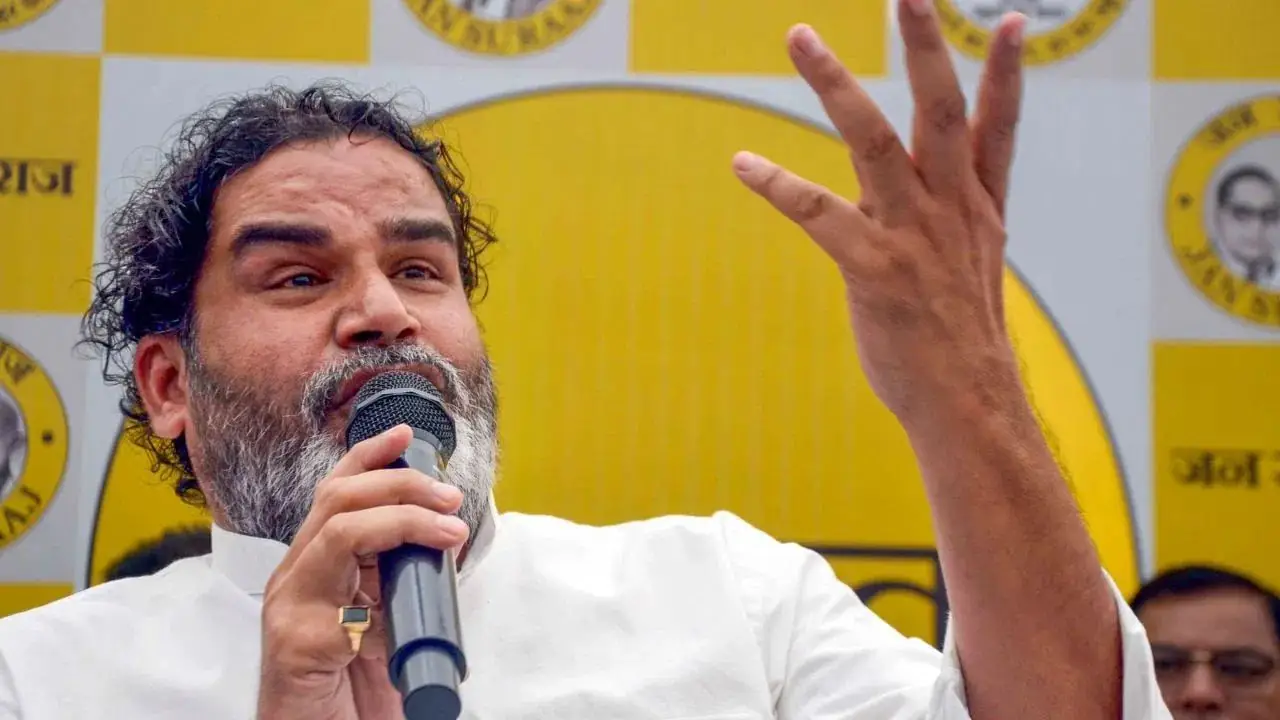
Fresh political storm brews in Bihar as Prashant Kishor’s Jan Suraaj Party knocks on the Supreme Court’s doors, contesting the validity of the assembly elections over alleged voter bribery via Rs 10,000 handouts to women. The party charges that these transfers, occurring under the election code’s watch, invalidated the polls’ fairness.
In its comprehensive writ, Jan Suraaj demands the Election Commission account for the scheme’s timing and intent, advocating for entirely new elections to purge the taint. This high-stakes gamble aims to reposition PK as a reformer against deep-rooted malpractices.
The matter lands before a formidable bench of CJI Sanjiv Khanna and Justice Sanjay Kumar starting tomorrow, where intricate arguments on electoral law will unfold. Data annexed to the petition purportedly maps cash disbursals to swing areas, bolstering the inducement claim.
Kishor’s evolution from poll whisperer to agitator adds intrigue, with Jan Suraaj framing the fight as essential for Bihar’s democratic health. Government functionaries rebut, insisting the aid was apolitical welfare acceleration.
Nationwide, this case revives discourses on money’s role in elections, with precedents like past cash seizure rulings in play. Should the court mandate scrutiny, it might unearth broader patterns plaguing state polls.
Bihar’s freshly elected house hangs in balance, as the apex court’s gavel could echo through India’s federal fabric, heralding a new era of poll purity or reinforcing status quo resilience.