

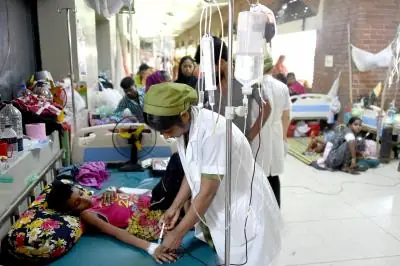
A perfect storm of industrial toxins and vulnerability is battering Bangladesh’s healthcare, as spotlighted in a critical new analysis. Dhaka’s polluted skies are not just an eyesore—they’re a killer, inflating disease burdens and testing medical limits.
Minimal global emissions belie Dhaka’s dire AQI, consigning it to polluted infamy and igniting waves of asthma, lung malignancies, bronchial woes, pneumonias, and chronic lung conditions.
Geographic flatness locks in pollutants, worsened by climate shifts. The 174-million-strong nation hurtles toward Dhaka’s 2050 megacity destiny, per UN data.
Pulmonologist Dr. Mustafizur Rahman at the national chest institute foresees devastation: ‘It could utterly ruin our health setup.’ Slum life near factories breeds sanitation nightmares and contagion hotspots.
The culprits? Myriad brick kilns, garment hubs, and tanneries exhaling deadly vapors and dumping poisons into streams. Treatment expenses ensnare the poor in debt cycles, fueling hazardous migrations across seas to Europe.
Dr. MD. Safiun Islam, respiratory expert, laments five-year patient explosions and ICU crushes, intensified by governance flux. Regulatory overhauls on emitters are ‘an emergency imperative.’
Amid hopes pinned on January 12 elections—the first sans Sheikh Hasina since August 2024—Rahman pushes for segregated industries, awareness initiatives, and competent leadership to engineer a breathable future for Bangladesh’s masses.