

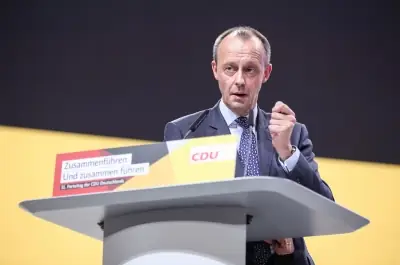
A transatlantic-style Twitter tussle erupted between German Chancellor Friedrich Merz and Iran’s Foreign Minister Abbas Araghchi, as the latter derided Merz’s maturity during a high-profile Gulf visit. Merz countered by pinning the barb on Iranian jitters.
Fresh from meetings with Gulf heavyweights, Merz spoke candidly in Doha about the specter of war. Urging Tehran to negotiate and dismantle its nuclear program, he cautioned against further menaces to Israel. Timing it before US consultations, Merz noted Germany’s solid US rapport and vowed to quicken dialogue paces.
Araghchi, seizing on Merz’s tour-announcing post that fingered Iran as a disruptor, unleashed a comprehensive takedown. He spotlighted Merz’s earlier rebuke of Israel’s 2025 assaults on Iranian targets, branding the chancellor immature and urging Berlin for seasoned governance. Still, he affirmed Tehran’s affinity for the German populace.
Pressed in Qatar, Merz scanned the post and quipped, ‘It’s drenched in apprehension and self-doubt.’ His whirlwind trip encompasses powwows with Saudi’s Mohammed bin Salman and Qatar’s Sheikh Tamim, culminating in UAE visits.
The back-and-forth lays bare clashing visions for Middle East stability. Merz’s proactive diplomacy seeks to harness Gulf influence against conflict creep, but Iran’s sharp pushback signals resistance. With nuclear shadows and strike echoes lingering, reconciliation feels distant.
Ultimately, this exchange may galvanize or derail talks, as leaders weigh words against actions in a powder-keg region.