

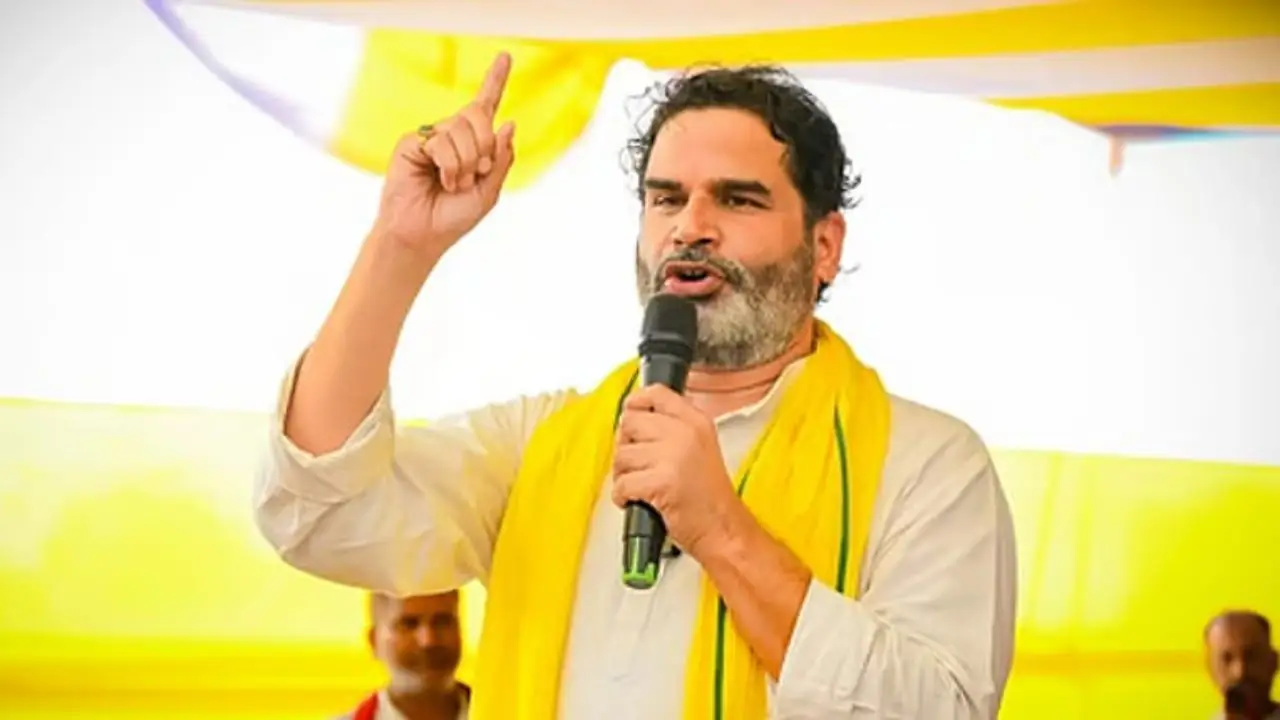
A major judicial hurdle for political novice Prashant Kishor as the Supreme Court turned down Jan Suraaj Party’s urgent plea to scrap Bihar Assembly poll results and hold fresh elections. The court’s no-nonsense approach shone through when it quizzed the party: “What was your vote count? The electorate has spoken against you—now you turn to courts for validation?”
The petition detailed alleged poll heists, from EVM tampering claims to organized bogus voting orchestrated to benefit the NDA. Despite affidavits and video evidence submitted, the bench found insufficient grounds to upend the entire process.
Jan Suraaj’s foray into Bihar politics, spearheaded by Kishor since February 2024, promised a ‘people’s alternative’ free from dynastic baggage. Intensive door-to-door campaigns targeted youth disillusionment, yet the verdict reflected in a paltry vote haul that didn’t translate to assembly seats.
This dismissal reinforces the Supreme Court’s gatekeeping role in electoral matters, intervening only in cases of grave illegality backed by irrefutable proof. The NDA government, now firmly in saddle with Nitish Kumar at the helm, can proceed unhindered with its agenda.
Kishor’s trajectory—from strategist for AAP’s Delhi win to advisor for YSRCP—has been marked by controversy. Critics argue his judicial recourse stems from sour grapes, while supporters decry a flawed system shielding the powerful.
The episode offers lessons in political realism: building vote banks precedes legal battles. With Bihar’s assembly term kicking off, attention pivots to budget sessions and policy rollouts. For Kishor, resilience will test if Jan Suraaj evolves into a force or fades into obscurity.
Ultimately, the court’s stance upholds faith in the ballot, reminding aspirants that true power resides with the masses, not mandates from marble halls.