


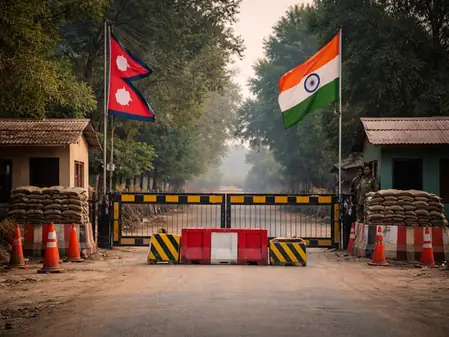
Security chiefs from Nepal and India have locked down their shared border posts for three days around Nepal’s March 5 parliamentary vote. The 72-hour closure is a preemptive strike against cross-border threats to the election’s sanctity.
Held in Biratnagar, the latest DIG conference – the 16th – between APF and SSB zeroed in on election-proofing the frontier. Consensus: stricter controls to bar disruptive intruders.
APF spokesperson DIG Vishnu Prasad Bhatt shared that Nepal’s pitch for a two-day-early shutdown won India’s nod. Spanning election day fully, it’s a proven tactic both employ.
“Polling sites get fortress-level security, so sealing borders is critical,” Bhatt noted. The talks broadened to perennial headaches: third-country illegals, human trade, bogus currency, gunrunning, ammo smuggling, drug cartels.
India flagged repeated fears of Kashmiri-Pakistani militants exploiting border laxity. They also mulled pillar safeguards, travel streamlining, tandem patrols, crisis drills, athletic exchanges.
Agreements included flagging sensitive segments, risk profiling, refugee tracking, multi-tiered audits. This robust framework fortifies the open border’s dual role in prosperity and peril.
Come March 5, voters can focus on ballots, not border worries. It’s a testament to enduring partnership, ensuring Nepal’s electoral voice rings true.