


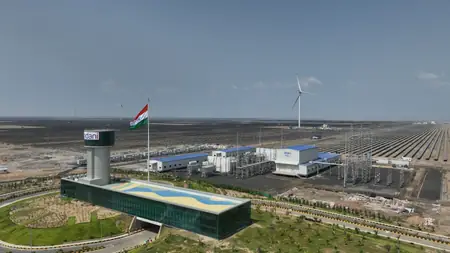
Adani Energy Solutions Limited (AESL) has unlocked critical long-term financing from Japanese banks to construct a transformative 6,000 MW green energy corridor. The 950-km HVDC project from Bhadla, Rajasthan, to Fatehpur, Uttar Pradesh—revealed Monday from Ahmedabad—aims for full operations by 2029, poised to power 60 million homes with solar bounty.
By bridging solar heartlands to the national grid, the corridor will stabilize northern India’s power ecosystem, serving megacities and factories with dependable clean energy. It’s a linchpin in Adani Group’s strategy to supercharge India’s renewable revolution.
‘We’re building transmission infrastructure that’s tough, scalable, and transition-ready,’ asserted AESL CEO Kandarpa Patel. He credited Japanese banks and Hitachi for embodying India-Japan synergy in clean tech. The project taps AGEL’s Rajasthan solar prowess, channeling output to AEML, where renewables exceed 40% of supply, elevating Mumbai’s green credentials globally.
Leading funders MUFG Bank and SMBC highlight investor faith in India’s green projects. Hitachi’s HVDC innovation, rolled out with BHEL, will amplify domestic tech capabilities. AESL’s BBB+ JCR rating mirrors this momentum, signaling deeper economic bonds.
As climate imperatives intensify, this corridor exemplifies strategic infrastructure’s role in energy independence. It promises not only enhanced grid efficiency but also a blueprint for future mega-projects, cementing Adani’s leadership in sustainable power transmission.