


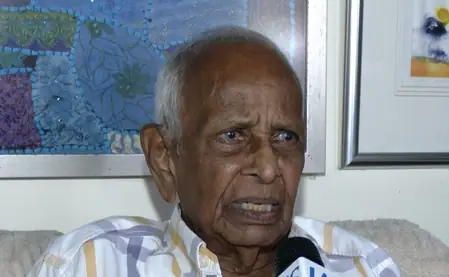
An emotional high point of PM Narendra Modi’s Malaysia visit was his interaction with INA veteran Jayaraj Raja Rao, a direct contemporary of Netaji Subhas Chandra Bose, who voiced deep respect for the Indian leader.
Post-meeting, Rao opened up to IANS about his fortune in meeting Modi, whom he sees as vibrant and compassionate. Key achievements: empowering villages with sanitation and water, bolstering the economy, upholding equality sans communal bias, confronting Pakistan head-on, and pursuing neutral, shrewd international ties away from aggressive giants like the US.
Rao cherishes his boyhood memory of Netaji garlanding him at age 12-13. Modi, an ardent Bose follower, found the encounter invigorating. As a proud Malaysian Indian, Rao saluted Modi’s democratic mastery in integrating ethnic Indians.
Three pillars defined Netaji for Rao: Unifying oratory that transcended Tamil-Malayali divides into national solidarity against imperialism. Insistence on armed uprising over non-violence, led with iron resolve. And gender parity, via the innovative Rani of Jhansi women’s force in Malaya.
INA’s story, Rao bemoaned, is insufficiently celebrated. Bose revitalized it in 1943 from Singapore-based POWs and locals, proclaimed Azad Hind government on October 21, and drove towards India via Burma. Volunteer influx from Southeast Asia, including women, fueled its momentum, profoundly shaping Indian communities here – yet public knowledge lags.
Through this tete-a-tete, Modi’s diplomacy honors INA’s legacy, linking freedom struggle to India’s global stature.