


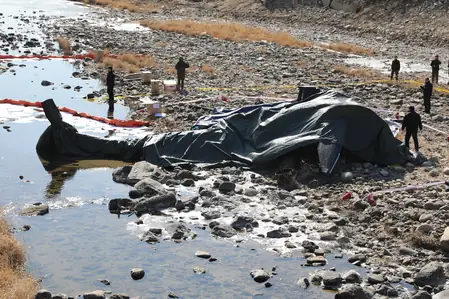
Disaster struck South Korea’s skies during a standard Army drill when an AH-1S Cobra attack chopper crashed in Gapyeong’s northern region around 11 a.m. Monday. Tragically, the two onboard warrant officers, one 30 and the other 50 years old, perished despite rapid medical intervention following cardiac arrest upon arrival at hospital.
No flames or detonations marred the site, and the unarmed helicopter was engaged in emergency landing familiarization. In the aftermath, the military imposed a blanket operational freeze on all AH-1S models and activated a rapid-response investigation unit, banking on flight recorders for pivotal insights.
Pinpointing the exact timing—during maneuvers or return flight—is a priority, as stated by a senior officer. Minister of Defense Ahn Kyu-back, reached overseas in Saudi Arabia, commanded urgent responses and posted online about exhaustive efforts to pinpoint causes and prevent recurrences.
Dating back to 1988 introductions and 1991 service entry, these Cobras near obsolescence, with retirements queued from 2028 through 2031. This loss amplifies calls for accelerated upgrades in an era of advancing threats.
Communities rally in support of the bereaved families, while experts dissect parallels to prior aviation incidents globally. The probe’s outcomes could catalyze sweeping safety overhauls, ensuring such tragedies become relics of the past in South Korea’s formidable air forces.