


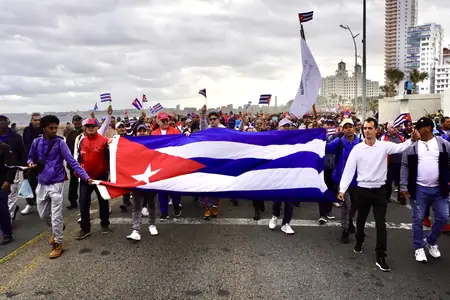
Global airlines are thrown into disarray after Cuba imposed a month-long ban on jet fuel at its airports, attributing the crisis to US-orchestrated halts in Venezuelan oil. From Monday midnight, no carrier can refuel on the island, hitting 400 weekly flights and forcing pit stops abroad amid rising costs and delays.
Reports pinpoint Washington’s Venezuelan military push as the trigger, severing Cuba’s oil artery. Affected airlines eye Cancun, Punta Cana, Nassau, or Caribbean alternatives—Air France has publicly shifted plans. Both short and long-range operations face upheaval.
Cuba’s aviation body issued the directive bluntly to international partners. Paralleling this aerial crunch, the nation battles electricity deficits risking mass blackouts. Response includes work hour reductions, transport rollbacks, fuel limits, and tourism clamps to stretch dwindling supplies.
Ironically, US aid of $6 million arrives as Cuba reels from Venezuela fallout. President Miguel Díaz-Canel fires back, branding it an ‘energy blockade’ and psychological assault, citing Trump’s tariff threats against oil donors. The rhetoric underscores Havana’s defiance.
Beyond immediate flight woes, this signals systemic strain. Passengers endure reroutes, economies feel the pinch, and Cuba’s standoff with the US intensifies. In this energy chokehold, the island’s skies symbolize broader battles for survival.