


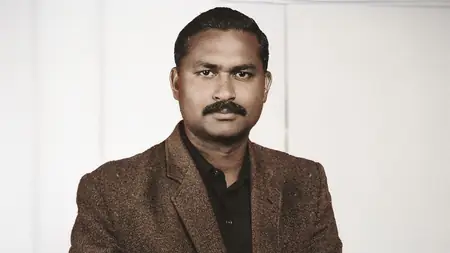
Remembering Sudama Pandey, alias Dhoomil, who died February 10, 1975, at 39 from brain tumor – a poet whose brief career scorched Hindi literature with revolutionary zeal, proletarian idiom, and bold systemic takedowns.
Dhoomil symbolized labor’s poetic insurgency amid poetry’s experimental flux. Like a field hand invading elite salons, he hammered at authority, polity, societal scaffolds. ‘Grammar of words differs from arms,’ he said – persuasion for kin, force for foes.
His ire embodied class-wide aspiration for liberation, intellectually nuanced beyond raw generational spite. Iconic is the triad: bread-maker, bread-eater, bread-toyer. ‘Name the third,’ challenges the poet. ‘India’s house of people? Speechless.’
November 9, 1936, birth in Varanasi countryside to tillers and shopkeepers. Thirteen saw matrimony; paternal loss brought burdens. Kolkata sweatshops, corporate drudgery, electrical pedagogy – life’s forge.
Radical movements, political ferment, bourgeois stirrings sparked his unrest; schooling gaps ensured visceral truth. Linguistic prowess: commonplace terms, seamless prose-poetry, potent visuals. Iterative motifs staged confrontations, eviscerating freedom’s hollow promises and elite decencies.
Lifetime output: ‘From Parliament to Road’ (1972). Legacy bloomed in ‘Tomorrow, Hear Me’ (1977, Sahitya Akademi 1979), ‘Sudama Pandey’s Republic’ (1984). Fiction, nonfiction, stagecraft, renditions, ephemera reveal depths.
No mere bard of anger, Dhoomil engineered words for change. Inequality’s theater and official dumbness keep his spotlight glaring, a perpetual prompt for societal reckoning.