


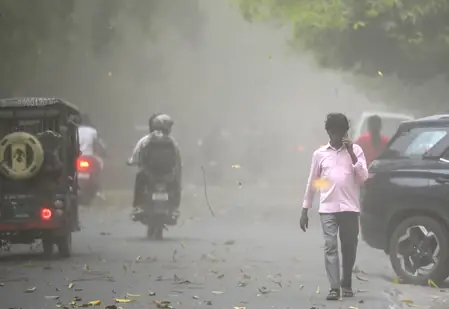
Delhi-NCR’s residents are paying a heavy price for nature’s whims and industrial fumes, with hospitals swamped by seasonal sicknesses comprising half of all cases. Vomiting, fevers, sore throats, allergies, and labored breathing dominate OPD queues.
IMD forecasts ongoing haze till February 12, mild 23-26°C days contrasting 11-12°C nights. This thermal rollercoaster, amplified by pollution, erodes defenses against common ailments.
AQI catastrophe unfolds: Loni (402), Mandka (357), Narela (344), Bawana (333), Anand Vihar (317), and scores more in Delhi, Noida, Ghaziabad crossing hazardous thresholds relentlessly.
Experts dissect the synergy: fluctuating temps boost viral activity, while PM2.5 particles inflame lungs and disrupt digestion via contaminated water and food. Recommendations emphasize prevention—masks, sanitizers, light diets, indoor exercises during alerts.
Beyond symptoms, this signals deeper woes in urban planning and enforcement. Strengthening green belts, promoting public transit, and real-time AQI apps could mitigate future waves, urging collective action for breathable tomorrows.