


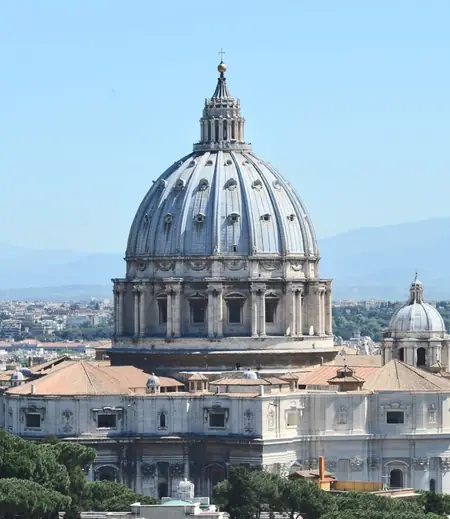
The story of Vatican City’s sovereignty is one of diplomatic triumph amid historical adversity. On a crisp February day in 1929, the Lateran Accords were inked, formally birthing the world’s smallest country and closing the chapter on the 59-year ‘Roman Question.’
Post-1870 Italian unification left the Papacy landlocked and aggrieved. Popes shunned participation in Italian affairs, creating a diplomatic void. Enter Benito Mussolini, whose negotiations with Cardinal Gasparri, blessed by Pope Pius XI, forged a path to peace.
Central to the treaty: Italy ceded control over Vatican City, granting full autonomy. The Vatican reciprocated by affirming Italian sovereignty over Rome and accepting Catholicism’s exalted status domestically. A multimillion-lire settlement addressed past grievances.
Pope Pius XI framed it as a moral necessity. ‘True freedom for the Church demands separation from temporal powers,’ he stated, prioritizing eternal mission over earthly kingdoms. His statesmanship turned potential stalemate into mutual gain.
In the 97 years since, this compact has proven resilient. Vatican City thrives as a global moral authority, its independence a testament to visionary compromise. The treaty’s principles continue to inform debates on religion’s role in modern states, proving history’s lessons endure.